Back to all stories
Luno
Crypto platform cuts low-risk procurement from 30 days to 48 hours after migrating 500+ vendors to Omnea
reduction in vendor screening time
days to complete low risk requests
vendors migrated
At a glance
People reshaping Luno
Challenge
Until early 2024, vendor management at Luno was largely decentralised. Relationship owners across the business engaged suppliers independently, and when people moved roles or left, context often moved with them.
Luno's finance and legal teams did their best to connect the dots, but without a centralised view they were working from fragments rather than a complete picture. That made it hard to spot duplicate spend before it was committed, or to consistently get ahead of renewals to enable right-sizing, negotiation, or cancellation.
At the same time, expectations around governance and third-party oversight were rising. Luno wanted to strengthen audit-ready records of third-party onboarding and due diligence, visibility of its most critical service providers, and controls around how new spend and renewals were initiated.
The Jira stopgap: a complex process on the wrong tool
To respond quickly, Jandré's team built a basic onboarding process in Jira with a non-negotiable rule: no vendor could be paid unless they'd been through the process. What started as a simple sense-check quickly grew into a robust procurement policy with 40+ routing rules, 10 different workflow paths depending on vendor type and risk, and up to 10 teams involved for high-risk vendors.
But while the intention and processes were robust, the platform wasn't. Jira's linear ticket model forced a complex vendor lifecycle into a rigid, one-way path:
Fragile workflows: if one rule broke, so did everything downstream — Jandré spent significant time debugging and maintaining the flow
Top-heavy intake: with no supplier portal, relationship managers collected vendor information by email and re-keyed it at intake, giving onboarding a "painful" reputation
Senior time wasted: executives ended up in long back-and-forth email chains chasing documents and answering process questions
Poor renewal data: Jira tracked from ticket creation, not contract start or renewal dates, making accurate renewal planning almost impossible
Manual audit work: pulling together third-party records for regulatory requirements added to the team's workload
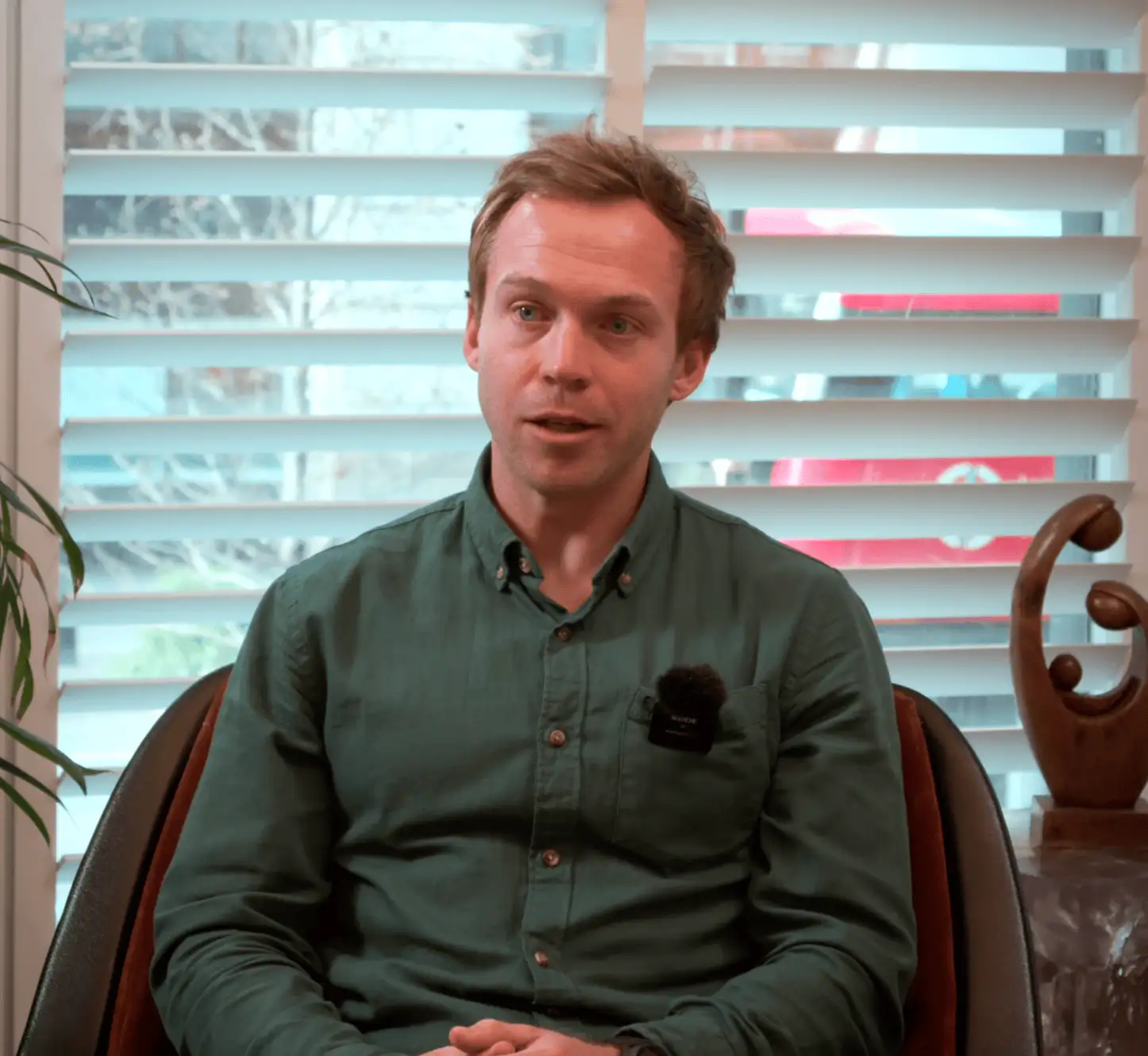
"We proved the value of having a process. But the Jira setup was fragile and held by one person. It wasn't sustainable."
— Jandré Bester, Senior Legal Operations and Vendor Manager
Solution
Rather than force teams into a monolithic P2P, Luno wanted an orchestration layer that could sit across a best-of-breed tech stack with Tipalti and Juro. Key requirements were a structured front door for all requests, embedded TPRM and due diligence collection proportional to risk, minimal disruption for the ~10 functions involved in reviews, and integrations into tools the business already used.
A consumer-grade intake that people actually like
With Omnea, Luno created a single intake built around consumer-grade UI. Requesters are only asked for necessary information based on vendor type and risk profile, and the right approvers are looped in accordingly. Omnea's status tracking and ETA estimates mean relationship owners can see exactly where a vendor is in the process and when approval is likely — the habitual "where is this?" messages have disappeared.
"I've had so many comments about how quick and painless Omnea is to use. We've gone from vendor onboarding being seen as red tape to it being a business process people are happy to follow."
— Jandré Bester, Senior Legal Operations and Vendor Manager
Risk-adjusted workflows across the whole lifecycle
Together, Luno and Omnea mapped the real approval journeys and translated them into Omnea workflows:
Risk-based onboarding: low-risk marketing tools might involve four teams; a critical payments provider can trigger reviews from 10+ teams including legal, InfoSec, treasury, engineering, FP&A, and AFC (anti-financial crime) screening
Remediation workflows: dedicated flows to clean up historic vendors, capture missing data, and bring the existing state into new standards
Review and sentiment surveys: lightweight workflows to collect stakeholder feedback and vendor performance signals on an ongoing basis
Integrations: meeting teams where they already work
Omnea now sits at the centre of Luno's vendor ecosystem:
Juro (contracts): contracts are pushed automatically from Omnea into Juro, keeping legal records in sync with vendor records
Tipalti (payments): approved vendor data is passed through, tying payments to a controlled onboarding process
Slack: notifications and updates delivered in Slack, helping approvers keep things moving without logging into another tool
Jira: where teams still rely on Jira, Omnea pushes tickets and syncs status back
"We wanted as little disruption as possible. Omnea lets us meet teams where they already work and orchestrate the vendor process across their systems of choice."
— Jandré Bester, Senior Legal Operations and Vendor Manager
Supplier portal: removing friction and adding legitimacy
The Supplier Portal removed a major friction point by collecting information directly from vendors via a standardised onboarding link, rather than ad-hoc email chains. Questionnaires are tailored to service type and risk level, and suppliers input renewal dates and agreement durations themselves, improving accuracy. The consistent, branded portal also adds legitimacy to Luno's requests.
"Getting a list of requirements in an email doesn't carry the same weight as 'here's the onboarding link to our vendor platform.' The portal adds legitimacy, and the data is more accurate because it comes straight from the source."
— Jandré Bester, Senior Legal Operations and Vendor Manager
Results
In the first two months, around 100 vendors had already passed through Omnea — spanning onboarding, renewals, remediation, and offboarding — without complaints from business stakeholders or due diligence teams.
With the operational noise reduced, the team is now tracking and driving tangible results:
Faster onboarding: low-risk vendors completed in a few days rather than ~30
Quicker screening: vendor screening reduced from 4–5 days to 1–2 days through automation
Negotiated savings: building a dataset of deal outcomes with an ambition to consistently secure minimum 10% savings
Reliable vendor data: 500+ vendors migrated, with remediation workflows targeting 100% up-to-date records on active engagements
Better decisions: clearer visibility over renewals, consolidation opportunities, and truly critical suppliers
"Omnea has allowed us to move from just managing vendors to actually running a procurement function. Onboarding, due diligence and renewals are largely automated. Now we can focus on negotiations, benchmarking and saving the company real money."
— Jandré Bester, Senior Legal Operations and Vendor Manager


" height="10.661279999999998px" id="LoeK6pYtS" transform="translate(0.27 5.262)" width="3.3432189999999995px"/><path d="M 7.025 0.035 C 6.902 0.019 6.771 0.012 6.64 0.004 C 4.768 -0.073 3.713 1.036 3.343 1.514 C 3.243 1.645 3.197 1.722 3.197 1.722 L 3.197 0.297 L 0 0.297 L 0 10.958 L 3.197 10.958 L 3.343 10.958 C 3.343 9.872 3.343 8.793 3.343 7.707 C 3.343 7.122 3.343 6.536 3.343 5.951 C 3.343 5.227 3.289 4.456 3.651 3.794 C 3.959 3.239 4.514 2.962 5.138 2.962 C 6.987 2.962 7.025 4.633 7.025 4.788 C 7.025 4.795 7.025 4.803 7.025 4.803 L 7.025 11.004 L 10.369 11.004 L 10.369 4.048 C 10.369 1.668 9.159 0.266 7.025 0.035 Z" fill="rgb(115, 112, 108)" height="11.004105999786248px" id="I8ZK_lI2U" transform="translate(5.631 4.996)" width="10.368549999999999px"/><path d="M 1.941 3.882 C 3.013 3.882 3.882 3.013 3.882 1.941 C 3.882 0.869 3.013 0 1.941 0 C 0.869 0 0 0.869 0 1.941 C 0 3.013 0.869 3.882 1.941 3.882 Z" fill="rgb(115, 112, 108)" height="3.8824500000000315px" id="BoA0OppHn" width="3.882450000000003px"/></g></svg>)
" height="12px" id="Gnx304Rz4" transform="translate(0 2.5)" width="16px"/></svg>)