Blog
Our Customers
You can't automate chaos: How Goosehead Insurance is defining procurement with AI
・ 7
min read

Leon Gibson
Head of Strategic Projects

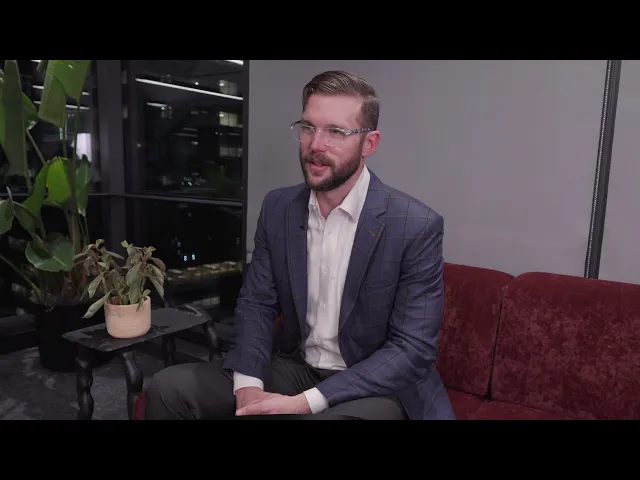
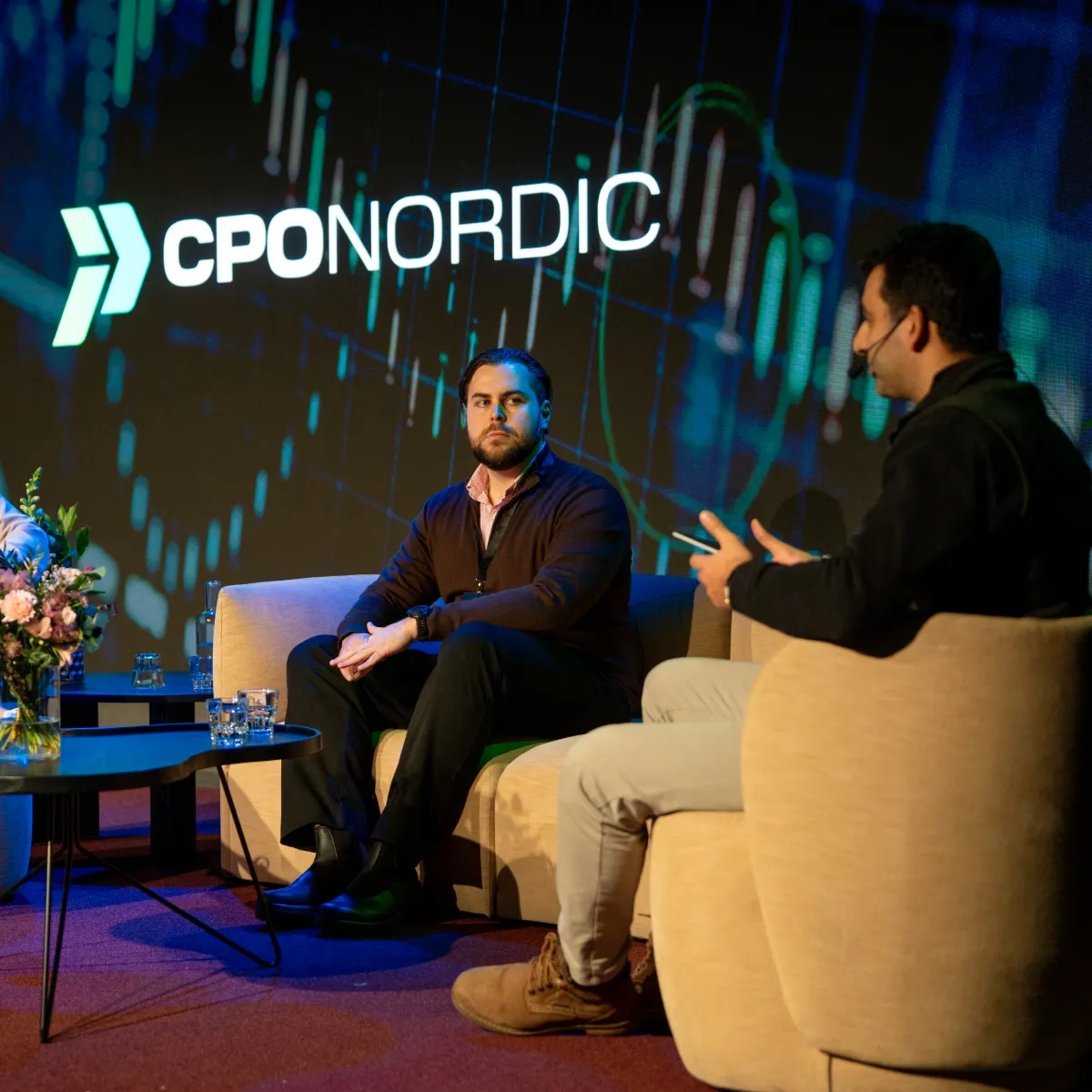
I had the pleasure of sharing the stage at the SIG’s 1-day Dallas event with Brent Boitmann, Head of Procurement at Goosehead Insurance.
For those who don’t know, Goosehead is a juggernaut in the US personal lines insurance market. Known for its rapid franchise expansion and aggressive growth, the company has scaled at a breakneck pace. But until recently, their procurement function hadn’t caught up with that velocity.
Brent joined Goosehead in 2025 as the company’s first-ever procurement hire. He walked into a situation that’s either terrifying or exciting depending on how you look at things: a chance to build a function from scratch in an environment that had minimal experience working with procurement.
Our conversation in Dallas centred on how he built a function from the ground up without slowing down the business. Here is how Brent navigated the journey from disorder to strategic orchestration.
His guiding principle: Start with strong foundations
Goosehead already had a P2P system in place, however there wasn’t sufficient visibility to empower strategic procurement or proactive governance pre-purchase request. The intake process was unstructured with requests arriving via Microsoft Forms, emails, or hallway conversations.
In 2025, the temptation can be to immediately throw AI at the problem. But Brent’s ethos was clear and serves as his guiding principle: “You can’t automate chaos”.
He recognized that before you can apply advanced technology, you need to establish relationships and a simple, understandable process. As Brent put it, “I can bring in AI, but what is that going to achieve without a foundation?”.
Building relationships was essential to facilitating earlier involvement, and to allow him to demonstrate value early.
The quarterback conundrum
Brent views procurement as the “quarterback” of the process. It’s his function’s job to read the field, know the playbook, call the plays and orchestrate cyber security, legal, and finance teams. .
However, performing that role as a team of one is no mean feat. Brent started by defining a simple process using Microsoft Forms. It wasn’t perfect, but it gave stakeholders a “front door”. He spent those early months acting like a salesperson, meeting with every stakeholder to understand their growth goals and hiring plans. He made it clear he wasn’t there to block them, but to accelerate their objectives.
While this built trust, the manual workload quickly became unsustainable. Brent described the “black box” problem where stakeholders would constantly ping him, asking, “Where’s this at in the process?” or “Did legal sign this?”. He was coordinating intake, connecting teams, and managing visibility entirely manually.
As the volume of requests grew, Brent found himself at a crossroads. He was caught up in the tactical administration of being the quarterback. He realized that to maintain those hard-won relationships and operate strategically, something had to change behind the scenes.
The Decision: Hire a Person or Buy a Tool?
About three months into his role, Brent faced a critical juncture during budget preparation. He had secured enough budget to potentially hire a second headcount, which presented a strategic dilemma: should he scale the function by adding a person or by implementing a dedicated platform?
Brent approached this as a strict problem-solving exercise rather than just window shopping for software. He ran a full ROI analysis, weighing the potential impact of a new hire against an AI-native tool.
He realized that if he brought in a new person at that stage, their primary role would likely be managing the administrative burden—chasing stakeholders, tracking approvals, and managing the “quarterback” work manually. While valuable, this would still leave the process reliant on human effort.
Conversely, a tool offered two distinct advantages:
Automation of Administration: It could automate the tactical work—like vendor assessments and renewal tracking—freeing up Brent to focus on high-value initiatives.
System of Record: It would establish a “window” into the procurement process, providing the visibility and governance that a human hire alone couldn’t easily replicate.
Ultimately, Brent chose the platform to accelerate his ability to connect with the business. As he explained to the audience in Dallas, the goal wasn’t to replace human connection but to enable it:
“Trust happens through conversation. AI saves time so you can have those conversations.”
By automating the “noise,” he ensured that his time—and any future hires—could be focused on strategic relationships rather than administrative tasks.
How AI Augments the Process
So once the foundational relationships were built, and a process defined, Brent turned to Omnea to orchestrate the chaos. We discussed how he’s leveraging Omnea AI not just to tidy up intake, but to drive compliance and strategy.
1. Contextualizing Approvals: One of the biggest wins Brent highlighted was using AI to align requests to policy. Instead of Brent having to explain the “why” behind a purchase to those involved repeatedly, the tool automatically provides that context to the approvers based on the spend level and policy. This allows executives to make faster, more informed decisions.
2. Managing Renewals: Brent is also using automation to handle the renewal lifecycle. The system now automates vendor assessments and tracks renewal dates—so he doesn’t have to manually chase stakeholders for updates.
3. Preventing Duplication: Perhaps most impressively, the intake process now identifies duplicate tools before they reach procurement. If a stakeholder requests a new project management tool, the AI highlights that the company already owns similar licenses and asks why those won’t work. This sparks a strategic conversation about architecture rather than a tactical conversation about price.
From Tactical Buyer to Trusted Advisor
Brent’s background is in sales, and he treats his internal stakeholders like customers. His ultimate goal is to be a “trusted advisor” to the business.
However, you cannot be a strategic advisor if you are buried in the minutiae of chasing JIRA tickets or answering status emails. This is where his philosophy on technology really shines.
During our chat, Brent gave the audience a reality check on the role of technology:
“AI is useless if you don’t have a process in place. It’s there to augment and enable you to be more effective.”
By letting AI handle the intake orchestration, the vendor assessments, and the policy checks, Brent is able to step out of the tactical weeds. It saves him time so he can have the high-value conversations that actually drive Goosehead’s growth.
It was a great discussion and a perfect example of how, when you stop trying to automate chaos and start building a system, procurement becomes a competitive advantage.


" height="10.661279999999998px" id="LoeK6pYtS" transform="translate(0.27 5.262)" width="3.3432189999999995px"/><path d="M 7.025 0.035 C 6.902 0.019 6.771 0.012 6.64 0.004 C 4.768 -0.073 3.713 1.036 3.343 1.514 C 3.243 1.645 3.197 1.722 3.197 1.722 L 3.197 0.297 L 0 0.297 L 0 10.958 L 3.197 10.958 L 3.343 10.958 C 3.343 9.872 3.343 8.793 3.343 7.707 C 3.343 7.122 3.343 6.536 3.343 5.951 C 3.343 5.227 3.289 4.456 3.651 3.794 C 3.959 3.239 4.514 2.962 5.138 2.962 C 6.987 2.962 7.025 4.633 7.025 4.788 C 7.025 4.795 7.025 4.803 7.025 4.803 L 7.025 11.004 L 10.369 11.004 L 10.369 4.048 C 10.369 1.668 9.159 0.266 7.025 0.035 Z" fill="rgb(115, 112, 108)" height="11.004105999786248px" id="I8ZK_lI2U" transform="translate(5.631 4.996)" width="10.368549999999999px"/><path d="M 1.941 3.882 C 3.013 3.882 3.882 3.013 3.882 1.941 C 3.882 0.869 3.013 0 1.941 0 C 0.869 0 0 0.869 0 1.941 C 0 3.013 0.869 3.882 1.941 3.882 Z" fill="rgb(115, 112, 108)" height="3.8824500000000315px" id="BoA0OppHn" width="3.882450000000003px"/></g></svg>)
" height="12px" id="Gnx304Rz4" transform="translate(0 2.5)" width="16px"/></svg>)